Hybrid or full heat pump: what suits your home?
A heat pump saves gas, but not every heat pump suits every home. The most important question isn't which brand, but how well your home is insulated.
By the Vakmensen editorial team3 min read

Short answer
If your home is moderately insulated or you have normal radiators, a hybrid heat pump next to your boiler is usually the best step. A full heat pump suits a well-insulated home with underfloor heating or large radiators. You can often get a grant for both.
Usually €4,000 to €18,000
What is the difference?
| Hybrid heat pump | Full heat pump | |
|---|---|---|
| Boiler | Stays, for cold days and hot water | Removed |
| Gas use | Often half or less | No more gas |
| Insulation needed | Reasonable (label C or better helps) | Good (often label A or B) |
| Radiators | Normal radiators usually work | Underfloor heating or large radiators |
| Space indoors | Little | A hot water cylinder |
| Installation | 1 to 2 days | 2 to 4 days |
Insulate first
A heat pump works best when it can keep the house warm at a low temperature. If heat leaks away through walls, roof or floor, it runs longer and you save less. So start with the cheapest insulation, such as cavity wall insulation: it often pays for itself in a few years.
What does a heat pump cost?
Prices for installing a heat pump
Incl. VAT, prices as of November 2026
- Hybrid heat pump€4,000 to €7,000
- Full air-to-water heat pump€10,000 to €18,000
- Ground source heat pump (with borehole)€18,000 to €30,000
For a heat pump you can apply for the ISDE grant from RVO. The amount depends on the type and capacity, and changes every year: check the current amount on the RVO website before you order. A good installer helps you with the application.
How to choose
- 1
Look at your energy label and radiators
Label D or worse: insulate first. Label C or better with normal radiators: hybrid is a safe choice.
- 2
Have a heat loss calculation made
It tells the installer how big the heat pump must be. Too big is more expensive and wears faster.
- 3
Choose a spot for the outdoor unit
There are noise rules towards the neighbours. The installer picks a spot that meets them.
- 4
Compare quotes
Look at the capacity, brand, warranty and whether the grant application is included.
Do it yourself
- Test the flow temperature at 55 degrees
- Look up your energy label
- Seal draughts and fit radiator foil
Call in a company
- Heat loss calculation
- Installing and connecting the heat pump
- Cavity wall, roof and floor insulation
- Balancing the radiators
Rather have it done?
Companies near you send you a price for free.
Usually €4,000 to €18,000
Free and without obligation. You only pay once it's done.
Is your question not listed?
Ask it for free in the Q&A. Checked local companies answer, usually the same day.
Ask a questionFrequently asked questions
How much gas do I save with a hybrid heat pump?
Often half or more of the gas for heating, depending on your home and how cold it is. The boiler keeps providing hot water.
Is a heat pump noisy?
A modern outdoor unit is about as loud as a fridge to a conversation. There are noise rules; the location and good mounting make the difference.
Can I switch from hybrid to full later?
Yes. Many people start hybrid, insulate in the years after and switch when the boiler needs replacing.
See also
Written by the Vakmensen editorial team and checked on 20 November 2026. Prices come from our cost guides. Something not right? Let us know.
Read next

Maintenance4 min read
Getting your home ready for winter: 10 jobs before the first frost
A blocked gutter or a frozen outside tap can easily cost hundreds of euros in winter. An afternoon of work in autumn prevents most of the damage. Here is what you can do yourself, and what is better left to a company.
Maintenance3 min read
Boiler servicing: how often, what does the engineer do and what does it cost?
A well-tuned boiler lasts longer, uses less gas and does not break down on the coldest day of the year. But how often do you really need a service, and when is a contract a smart choice?
Costs and VAT3 min read
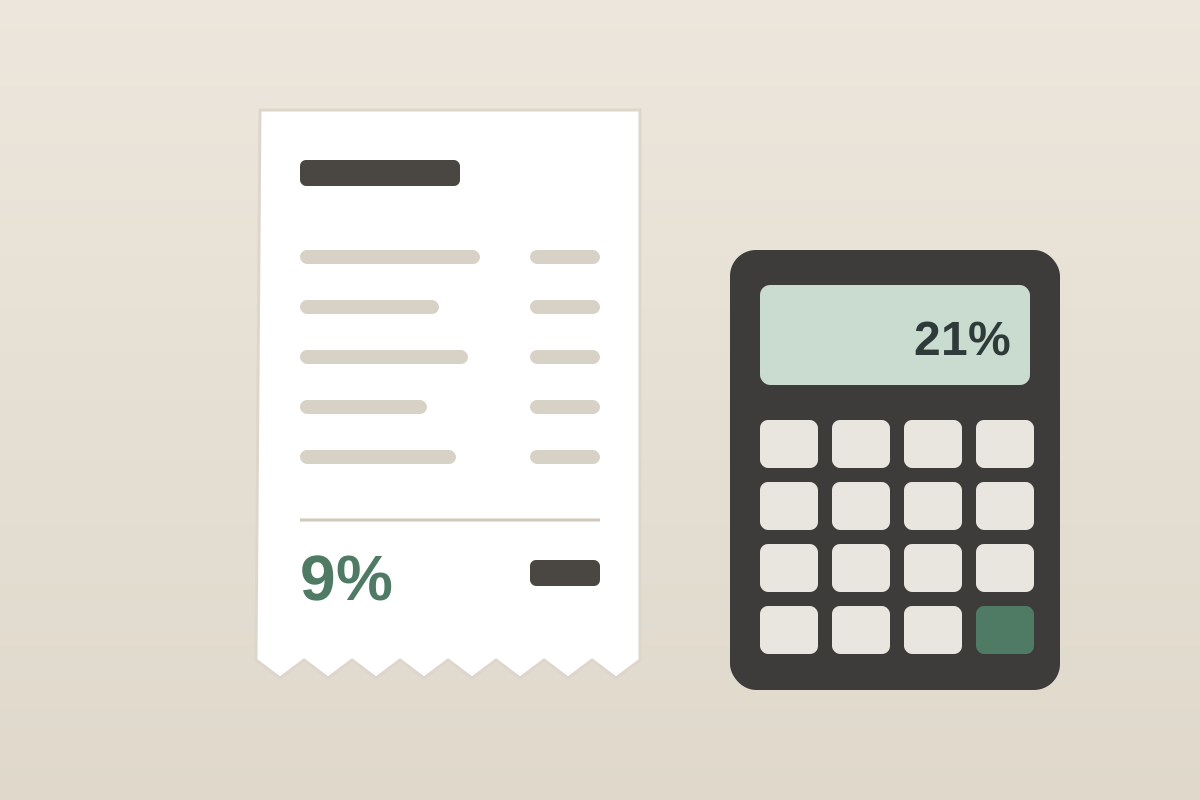
9% or 21% VAT: what do you pay for your job?
Most jobs carry 21% VAT. But for some jobs on a home older than 2 years, 9% applies to the labour, and solar panels even have 0%. That easily saves hundreds of euros.